
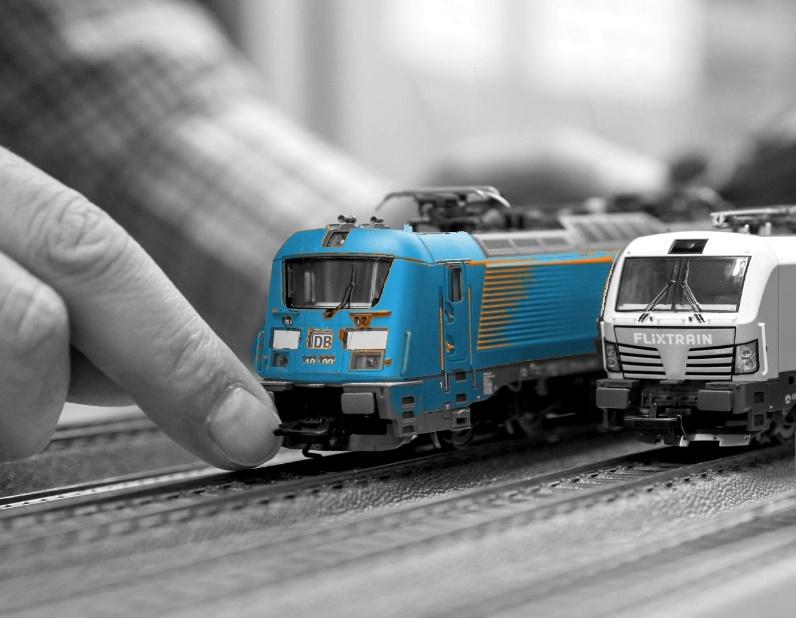


Management of railway planning
Our program challenges groups to think of ways to increase productivity and do so in a fun way.
Our modeling process is most similar to a real board game, where we test the participants’ commercial skills in addition to creative work.
The tasks of the missions are developed by the group in a common space, where they build in smaller teams, in independent areas, and compete for the title of the most beautiful city.
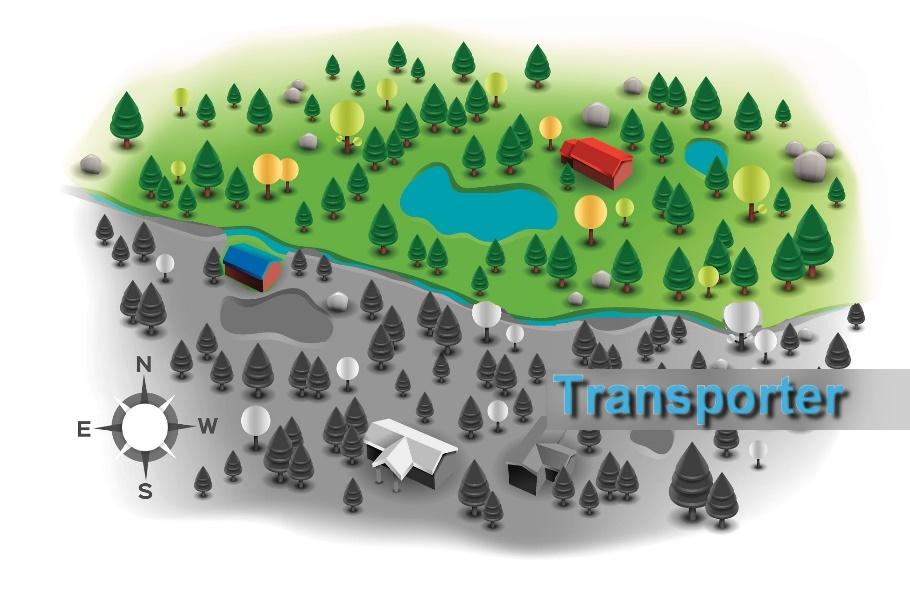
What should I build?
Should I buy a railway, a station, or all the tracks?
Tasks:
Uniqueness
Each team must build a different city on the terrain table using the materials we provide.
Railway construction
However, if a group does not have enough raw materials (wood, stone, iron, money), it must trade with another city under construction. To do this, the goods can only be moved via railway lines.
The screw
In our farming and modeling program, we need to build a railway network between two cities through which small model railways can run and transport goods for trade.
Everyone has an important role to play in this program, as someone:
– Becomes a merchant: he negotiates with a merchant from another city
– Builder: cuts out cardboard models and glues them onto the city drawing
– Railwayman: loads and controls the wagons
Which city is building faster?
The decision is up to the teams.
In this program, the end result is never the same. Every individual and team decision results in a different outcome.
Who can build a better commercial rail network?

-Lifestyle Hotel-

-Lifestyle Hotel-

-Lifestyle Hotel-
-Hotel Anna-

-Hotel Art-

-Hotel Art-
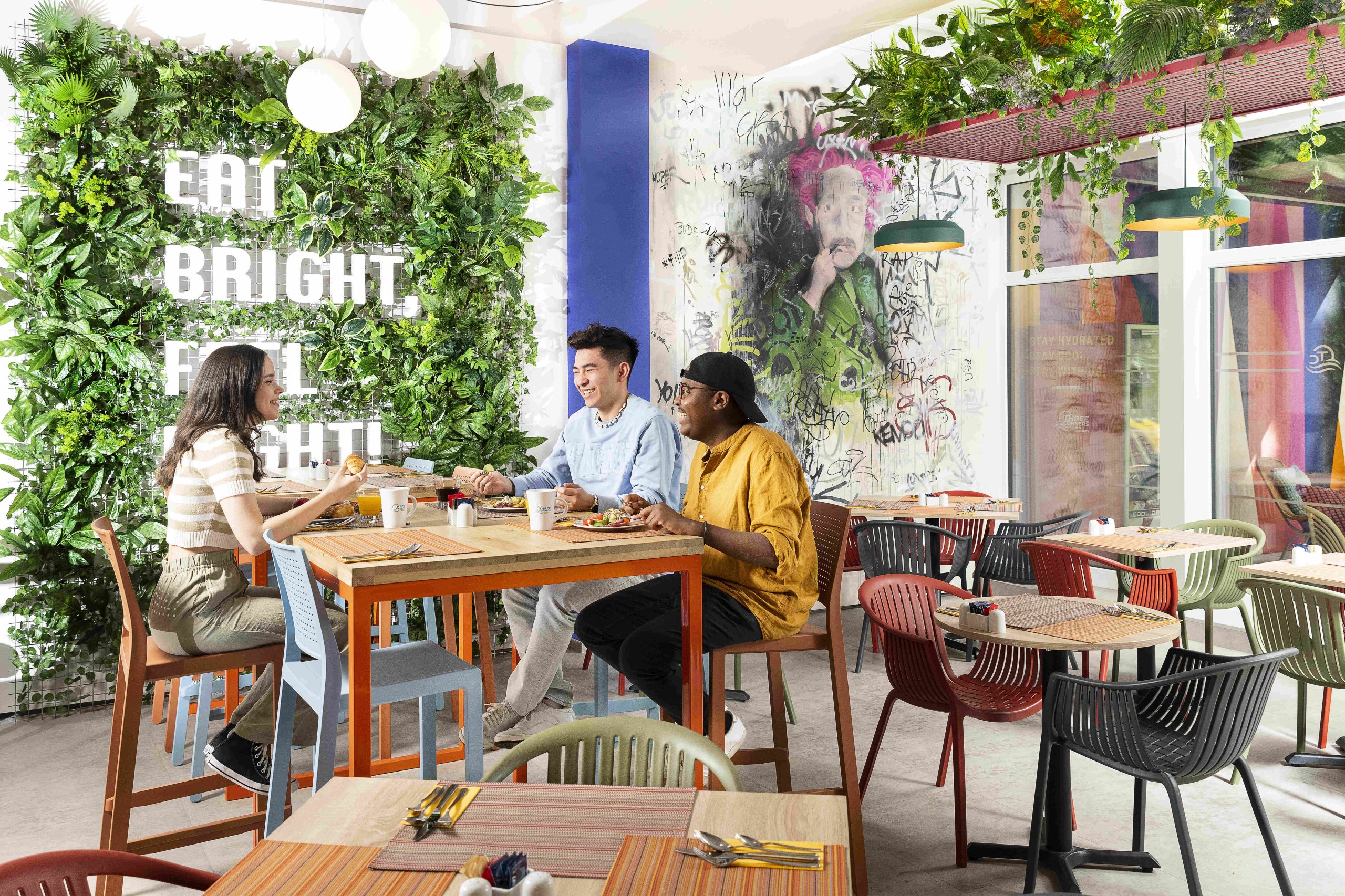
-Hotel Anna-

-Lifestyle Hotel-
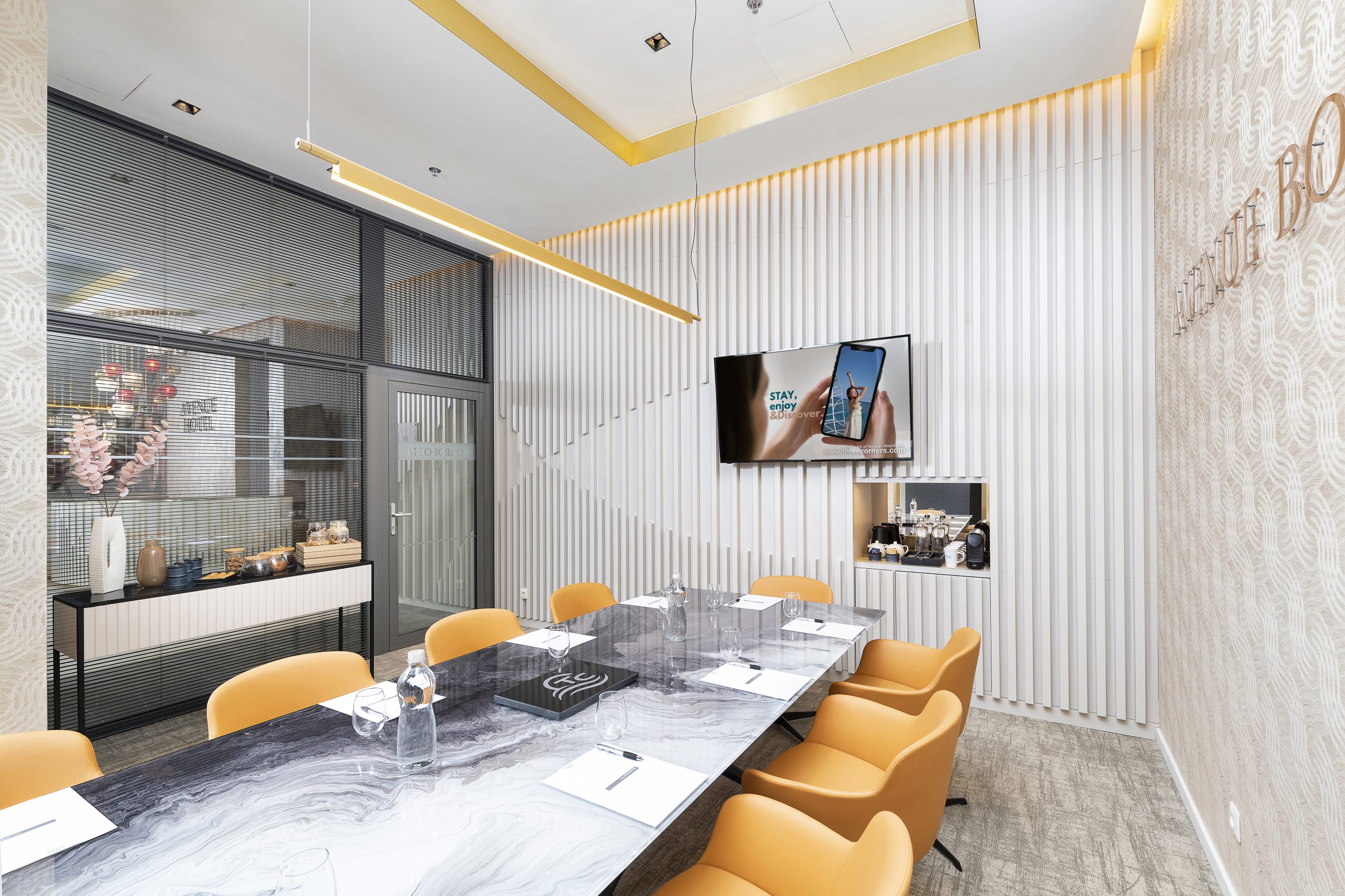
-Avenue Hotel-

-Downtown Hotel-
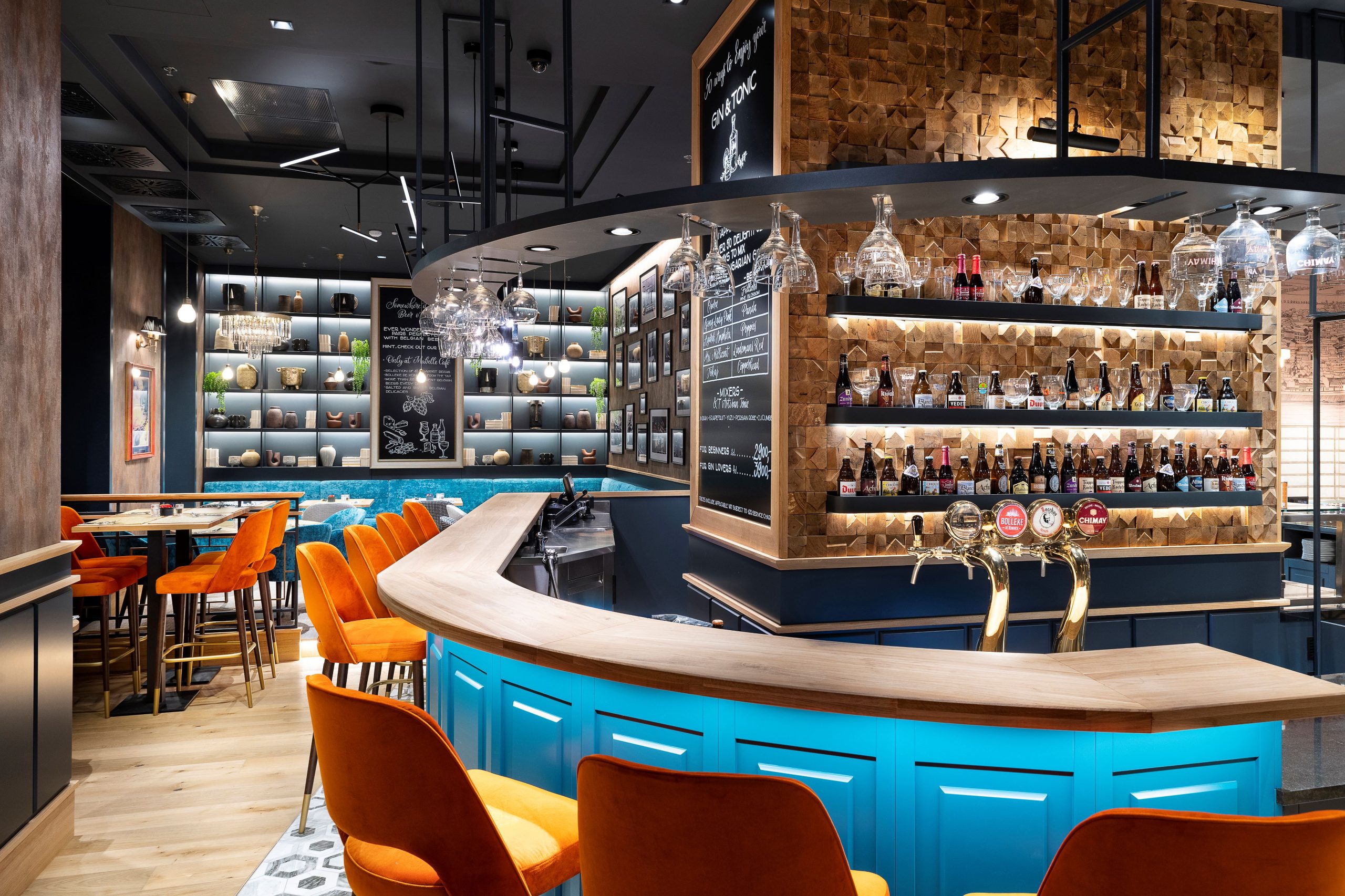
-Avenue Hotel-

-Downtown Hotel-

-Downtown Hotel-

-Downtown Hotel-

-Downtown Hotel-

-Downtown Hotel-
-Avenue Hotel-
-Hotel Art-
-Lifestyle Hotel-
-Hotel Anna-